
Why Good Sleep Means Better Health: The Power of Better Sleep
How often do we stop and consider if we are sleeping well? Yet it is our body’s superpower.
Here you will find out more about the following:
- Why is sleep important to health?
- Which health conditions are linked to sleep?
- What affects the quality and quantity of sleep?
- How to improve your sleep to improve your mental and physical health?
Why sleep matters:
Did you know we spend about a third of our life just sleeping? It’s clearly necessary for our bodies, otherwise, it’d just be wasted time !
- Sleep plays an important function in nearly every system of your body.
Sleep is not just about rest; it’s an active process: From protecting your heart to supporting brain health, balancing hormonal functions, repairing tissue damage and protecting your immune system – good quality sleep is vital for good health
- Most adults need a minimum of 7 hours of uninterrupted sleep each night. (Children and young people, or those recovering from illness may need more).

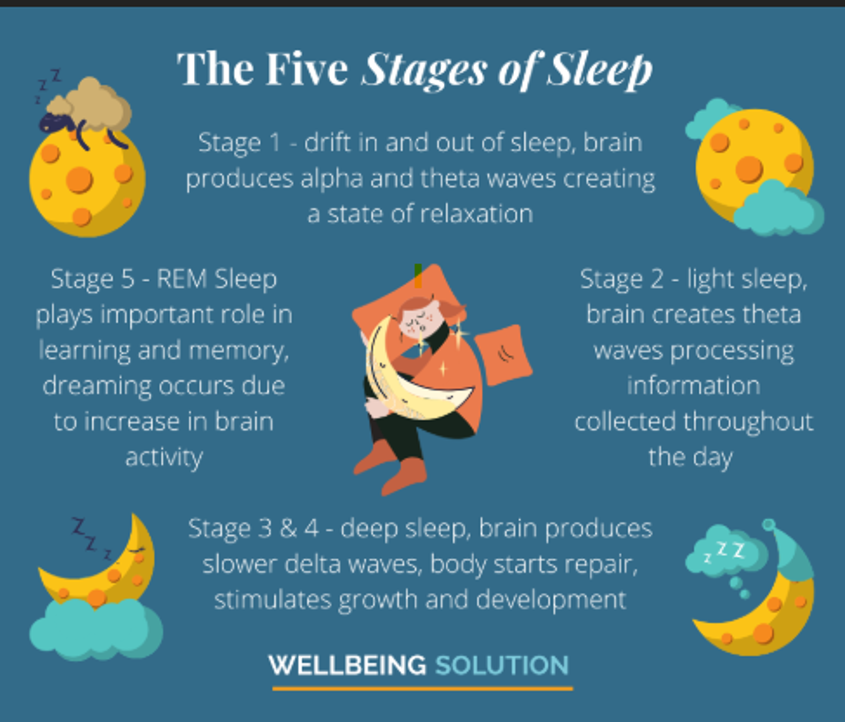
There are different stages of sleep – light stages and deeper stages of the cycle- when different changes take place in the body.
Sometimes people wake up a little when they are in the lighter stages of sleep, but most people go straight back into the next stage and continue sleeping.
- If sleep is too short or interrupted, the body may not complete all the stages, leading to health problems.
What happens when you sleep?

How does lack of sleep affect health?

Sleep and Heart, Kidney, and Brain Health
Lack of sleep over a long time can lead to an increased risk of heart disease, kidney disease, stroke, and type 2 diabetes. It can also worsen existing health problems like pain or mental health problems.
Hypertension (High blood pressure). High blood pressure is one of the leading risks for heart disease and stroke. During normal sleep, your blood pressure goes down. Having sleep problems means your blood pressure stays higher for longer.
Obesity – Living with overweight or obesity also increases your risk of developing cardiovascular disease. If you’re tired, it’s common to make up for the lack of sleep through food to get a boost of energy. This can lead to eating more than usual or eating calorie-dense foods such as sugary snacks and carbohydrates to get that energy your body is lacking, causing weight gain.
Dementia – Research links poor sleep with a higher risk of dementia. During sleep, our brains go through a clearing process and this is also when our short term memories get stored into long term memory. Inadequate sleep is associated with an increased build-up of material in the brain, which is linked to Alzheimers’ Dementia, causing memory problems.
- Unregulated blood pressure, blood sugar or cholesterol is linked to vascular dementia, the second commonest cause for memory problems in older people. Small blood vessels can become inflamed or blocked, reducing blood flow to that part of the brain. Vascular dementia – BHF
- Children and young people can improve their emotional and academic development with better sleep. Children – The Sleep Charity
Sleep and Mental Health
Mood may affect sleep and vice versa. Around 1 in 4 people in the UK experience a mental health problem each year. Sleep regulates brain chemicals, like serotonin and dopamine, which are essential for mood regulation and cognitive function.
- People who sleep less than 7 hours are far more likely to struggle with depression and anxiety
Sleep and regulation of Metabolism, Immunity and Hormone Function
Sleep also plays a crucial role in hormone balance. During deep sleep, the body releases growth hormone, which helps with tissue repair, muscle recovery, and metabolism
- Hormonal imbalance during menopause or puberty can disrupt sleep and vice versa,
Cortisol—the body’s stress hormone—is also regulated during sleep. Ongoing sleep deprivation causes cortisol levels to rise, leading to rise in blood sugar and blood pressure, reduced immunity, and inflammation.
- Additionally, imbalance of the hormones (leptin and ghrelin) which control appetite, may increase the risk of obesity by 30% in people who sleep less than 7 hours.
The immune system also goes through a reset programme overnight during sleep when the components that help us to fight infections get replenished, boosting our immunity.

Top Tips for Better Sleep
Here are some practical tips to help perfect your sleep Fall asleep faster and sleep better – Every Mind Matters – NHS:
- Food & Drink: Limit caffeine and nicotine intake, especially after 12pm as they can last 8 hrs and interfere with your ability to fall asleep. An unhealthy or heavy meal can stop you sleeping well. Avoid eating or snacking too close to bedtime. In contrast, a good diet and regular physical exercise can help you to relax and get better sleep.
- Physical Activity: Being active during the day means that the body feels more tired towards the evening and this promotes natural sleep at night.
- Spend 20 mins outside each morning without sunglasses. Lux, (units of light), from daylight exposure are best in the morning – even on a cloudy day you get 10 000 Lux, a sunny one 30 000 Lux, but indoors only 500 Lux. Being outdoors in nature helps you to relax but also boosts brain melatonin levels which helps sleep.
- Be mindful of naps: If you need to nap, keep it brief (20-30 minutes) and before 2pm to prevent disrupting your night sleep cycle.
- Create a bedtime routine: your body will get into a rhythm (same bedtime as much as possible)
- Limit screen time: Avoid electronic devices like phones, tablets, and TVs at least 90 minutes before bed, as the blue light emitted can interfere with melatonin production which is needed for sleep regulation.
- Relax before bed – do something relaxing before bed, avoid emotional tension, limit outside contacts by phone/email/social media after 8pm, try breathing exercises, journaling or peaceful music for calming the mind.
- Keep your bedroom cool and dark: Maintain a cool room temperature and minimize light exposure to signal to your body that it’s time to sleep. Darkness tells your body it’s time to sleep/ (Consider blackout blinds/curtains, avoid having a TV in the bedroom, switch your mobile on night mode or keep it in another room)
Remember:
Even when you’re busy, stressed, or just used to staying up late, having good-quality sleep is one of the best things you can do for your body and mind.
Sleep is not just about rest; it’s an active process: From protecting your heart to supporting brain health, balancing hormonal functions, repairing tissue damage and protecting your immune system – good quality sleep is vital for good health
For better health in the short and long term, make your sleep a priority tonight. Sleep Better | CVD
You must be logged in to post a comment.