
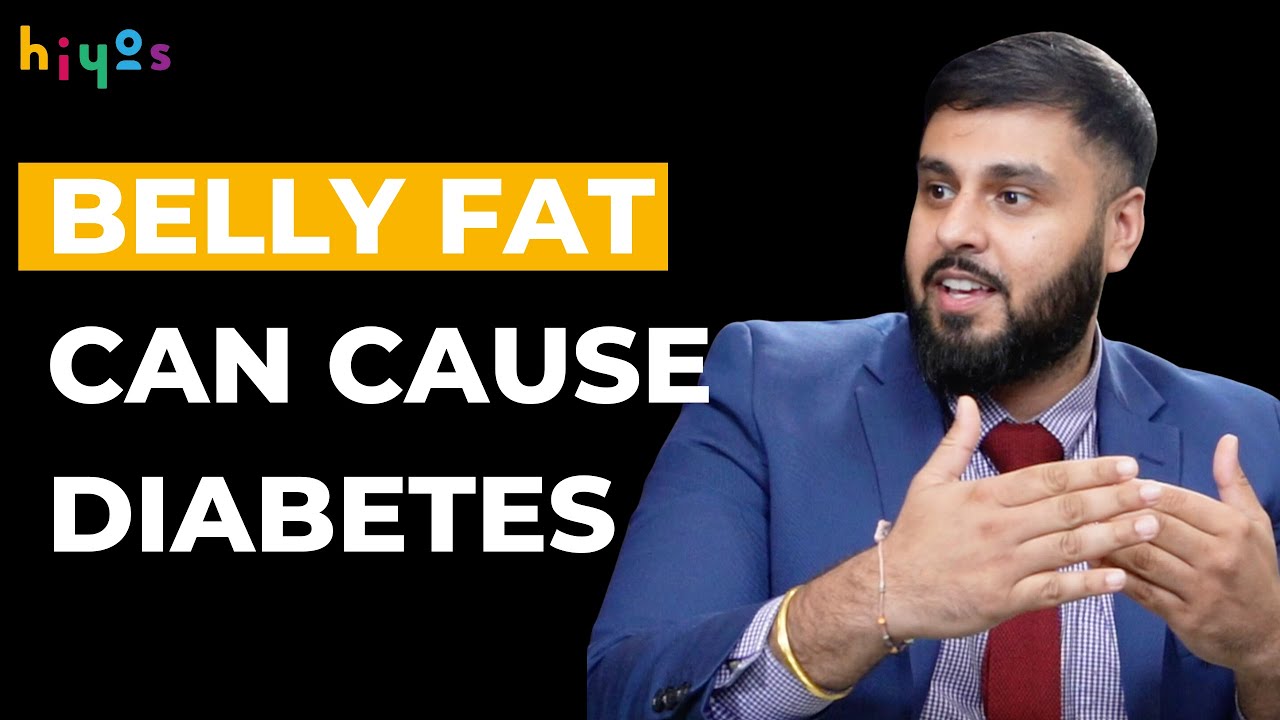
HbA1c, is a key test for monitoring diabetes over 3 months. Learn normal ranges in UK, testing frequency, and lifestyle management. Regular monitoring, individualised targets, and patient education empower individuals to control blood sugar, prevent complications, and achieve better long-term health outcomes. You can learn more clinical topics and advice on diet and exercise here.
Key Takeaways
- Dr Nik Sharma and Maria Da Cunha explain HbA1c, a crucial test for monitoring diabetes over 2–3 months, discussing target ranges and lifestyle management.
- HbA1c measures average blood sugar without needing patients to fast, making it convenient and essential for diagnosis and monitoring of diabetes.
- HIYOS employs a traffic light system for HbA1c results, with clear interpretations for normal, high risk, and diabetes indications.
- Individualised HbA1c targets guide patients, with specific recommendations for newly diagnosed individuals and those on insulin.
- Regular monitoring, along with education and support from the HIYOS team, empowers patients to manage diabetes effectively.
Dr Nik Sharma (GP) and Maria Da Cunha (Healthcare Assistant) share invaluable insights about the tests carried out for patients with diabetes, particularly focusing on HbA1c and its role in monitoring blood sugar levels.
What is HbA1c?
HbA1c, also known as glycated haemoglobin, is a blood test that measures the average blood sugar levels over the past 2–3 months. Unlike other blood sugar tests, patients do not need to fast, making it a convenient and reliable method to monitor glucose levels.
Maria explains:
“The sugar molecules attach to haemoglobin in red blood cells. Since red blood cells live for about three months, the HbA1c test gives an average of glucose levels over that period.”
Dr Nik adds:
“It’s an average over the last 2–3 months. The higher the glucose in your system, the higher your HbA1c.”
This makes HbA1c an essential test for diagnosing and monitoring diabetes, especially for patients at high risk or those already diagnosed.
Understanding HbA1c Targets
At HIYOS, we use a traffic light system to interpret HbA1c results:
- 31–41 mmol/mol: Normal, low risk
- 42–47 mmol/mol: High risk (previously called pre-diabetic or borderline diabetic)
- 48 mmol/mol or above: Indicates diabetes (type 2) if confirmed in two separate tests or if symptoms are present
Dr Nik explains:
“Two readings of 48 or above confirm a type 2 diabetes diagnosis. If symptoms like excessive thirst, frequent urination, or unexplained weight loss are present, one reading may be enough.”
Maria emphasizes that HbA1c can fluctuate. With proper lifestyle changes, patients can significantly reduce their HbA1c.
“We’ve seen patients reduce their HbA1c from the mid-50s to the high 30s just through diet, exercise, and support.”
Setting HbA1c Targets for Patients
Individualised targets are crucial. Newly diagnosed patients are typically advised to aim for:
- 48–58 mmol/mol initially through lifestyle changes
- Below 53 mmol/mol within the first 6 years of diagnosis
Dr Nik highlights that many patients achieve remission through dietary and lifestyle modifications alone, which can be highly motivating.
“Understanding diabetes and its long-term complications gives patients an incentive to manage their condition effectively.”
For patients on insulin or those with complex cases, secondary care specialists set tailored targets.
How Often Should HbA1c Be Tested?
- Established diabetes: Every 3–4 months
- High-risk or pre-diabetic patients: Annually
- Symptomatic patients: As required
Dr Nik explains the importance of spacing the tests due to red blood cell turnover, emphasising that testing too frequently does not provide useful information.
Other Important Diabetes Tests

In addition to HbA1c, regular diabetes monitoring at HIYOS includes:
- Cholesterol and lipid profiles: To manage cardiovascular risk
- Kidney function tests: Diabetes can damage kidneys over time; urine tests check for protein leakage
- Eye checks: Annual screenings detect early complications
Maria stresses the importance of follow-ups:
“Regular check-ups allow us to adjust medications, review progress, and prevent complications.”
The Importance of Education and Teamwork
At HIYOS GP Practice, we believe education is key. Patients who understand their condition can actively participate in their care. You can even join our diabetic group sessions. Dr Nik explains:
“The more patients know about their diabetes, the more they become their own doctors. It’s all about teamwork.”
Take Control of Your Diabetes
Monitoring HbA1c and understanding your diabetes tests empowers you to manage your health effectively. At HIYOS, our team of GPs and healthcare assistants provides guidance, support, and personalised targets to help you stay on top of your diabetes.
If you want to learn more, check out the rest of our diabetes series to gain insights into diet, lifestyle, and diabetes management.
If you’re concerned about any of the points mentioned, please reach out to your GP.
Diabetes Podcasts
-

Diabetes podcast series
Read more: Diabetes podcast seriesHIYOS GP Practice partnered with hospital specialists to produce a diabetes podcast series delivering practical, evidence‑based patient education on type…
-

What is diabetes?
Read more: What is diabetes?At HIYOS GP Practice, Dr Nik Sharma and Maria Da Cunha explain type 2 diabetes, its causes, and early warning…
-

Understanding HbA1c and Diabetes Management: Insights from HIYOS GP Practice
Read more: Understanding HbA1c and Diabetes Management: Insights from HIYOS GP PracticeAt HIYOS GP Practice, Dr Nik Sharma and Maria Da Cunha explain HbA1c, a key test for monitoring diabetes over…
-

Cultural Diets and Diabetes: Smart Choices Revealed
Read more: Cultural Diets and Diabetes: Smart Choices RevealedWhat is a diabetic diet for type 2 diabetes? Eat smart for diabetes prevention and control. They discuss portion sizes,…
-

Understanding Type 1 Diabetes: Symptoms and Management
Read more: Understanding Type 1 Diabetes: Symptoms and ManagementType 1 diabetes generally affects younger people. What are the symptoms and what are new technologies available at present? What…