
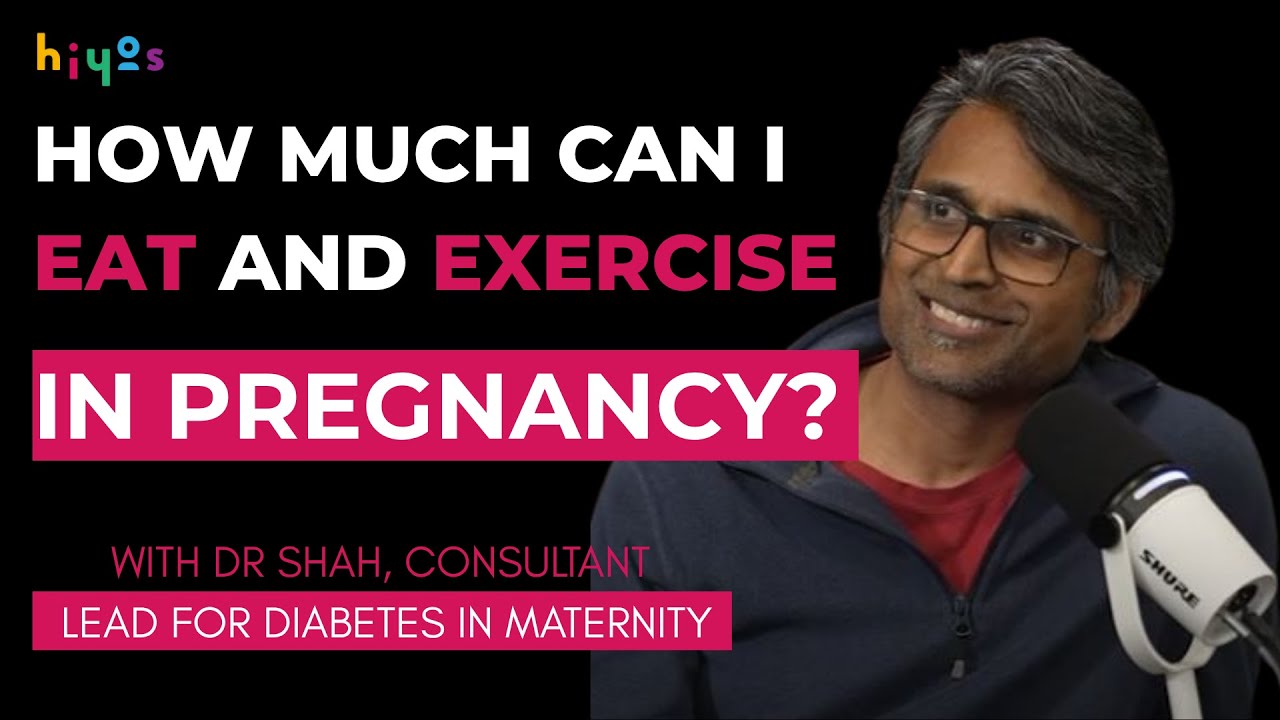
What should you eat and how much should you exercise when you’re pregnant? Learn about balancing diet, diabetes risk, and fitness for a healthy pregnancy. Small lifestyle choices can make a big difference to mother and baby. Dr Vinesh Dhir from HIYOS GP Practice interviews Dr Nishel, Obstetrician at Chelsea & Westminster Hospital. Content on other clinical topics and wellbeing can be found here.
Key Takeaways
- Pregnancy health, focusing on diet, diabetes, and exercise.
- Rising cases of gestational diabetes and the importance of timely diagnosis.
- Healthy eating involves prioritising low-glycaemic index foods and avoiding processed options.
- Safe exercises during pregnancy include walking, swimming, and prenatal yoga, while contact sports should be avoided.
- Tips for preventing diabetes in pregnancy, emphasising balanced diets and regular activity.
Meet Dr Nishel – Consultant Obstetrician and Researcher
Dr Nishel trained in East London before specialising in obstetrics and gynaecology. His journey included international placements in the Cayman Islands and New York, and a research fellowship at Chelsea & Westminster, where he studied infection and immunity in pregnancy.
“I look after people who are pregnant — helping them through a safe pregnancy, birth, and recovery,”
says Dr Nishel. “I also run the hospital’s diabetes in pregnancy service and wrote the local clinical guidelines for managing it.”
Understanding Diabetes and Pre-Diabetes in Pregnancy
One of Dr Nishel’s key interests is preventing and managing diabetes during pregnancy — a condition that’s becoming increasingly common.
“Pre-diabetes is just a state of high blood sugar,” he explains. “If it goes unchecked, it can lead to Type 2 diabetes. Many people don’t know they have it — especially those of child-bearing age.”
How it is diagnosed?
- Glucose tolerance test: A measured drink of glucose followed by blood tests to see how quickly the body clears it from the bloodstream.
- HbA1c test: Measures average blood sugar over several months, giving a better long-term picture.
“We try to identify women early so we can offer support — often just with simple diet and lifestyle changes,” says Dr Nishel.
Why Diabetes Is on the Rise
Several factors are contributing to the increase in gestational diabetes (diabetes in pregnancy):
- More women are having babies later in life.
- Processed foods and sedentary lifestyles are more common.
- Some ethnic groups — including South Asian and Black African communities — are at higher risk.
“It’s not just about age or weight,” Dr Nishel notes. “Even women who look fit and healthy can have elevated sugar levels, so testing is really important.”
Understanding Diabetes and Pre-Diabetes in Pregnancy
One of Dr Nishel’s key interests is preventing and managing diabetes during pregnancy — a condition that’s becoming increasingly common.
“Pre-diabetes is just a state of high blood sugar,” he explains. “If it goes unchecked, it can lead to Type 2 diabetes. Many people don’t know they have it — especially those of child-bearing age.”
Healthy Eating in Pregnancy: What to Choose (and What to Avoid)
The best approach, Dr Nishel says, is to focus on low-glycaemic index (GI) foods — ingredients that release sugar slowly and keep you feeling full longer.
Recommended:
✅ Wholemeal bread, brown rice, and seeded grains
✅ Fresh vegetables, lentils, and beans
✅ Lean protein — chicken, fish, eggs, or plant proteins
✅ Mixed nuts (unsalted and uncoated) for snacks
✅ Healthy fats such as avocado and small amounts of cheese
To Limit:
❌ White bread, white rice, and sugary cereals
❌ Processed snacks and fried foods
❌ Sugary drinks and desserts


Diets for diabetes and pre diabetes
You are what you eat especially if you have pre diabetes or diabetes Diabetic diets Summary There are several types…
Keep reading“Pair carbohydrates with a source of protein — like lentils or eggs,” he says. “It slows digestion and keeps blood sugar steady.”
And yes — eggs are absolutely fine.
“They’re a fantastic source of protein and healthy fats. Just avoid raw or undercooked eggs.”
Cultural Diets and Practical Tips
HIYOS serves a wonderfully diverse community in Hounslow, and diet advice must reflect that.
“Many South Asian diets already include lots of vegetables,” Dr Nishel notes. “It’s just about reducing portion sizes and choosing wholegrain alternatives.”
He adds:
“Cooking with ghee occasionally is fine during pregnancy. It’s a clarified butter — high in saturated fat — so use it in moderation. The short-term use in pregnancy isn’t a concern, but long-term it can raise cholesterol.”
Exercise in Pregnancy: What’s Safe and What’s Not
Many women still believe they should avoid exercise once they become pregnant — often due to family or cultural traditions. Dr Nishel strongly challenges this.
“We absolutely recommend moderate exercise in pregnancy,” he says. “It improves heart health, reduces the risk of high blood pressure, and helps with blood sugar control.”
Safe Exercises:
- Walking or light jogging (if you did it before pregnancy)
- Swimming or aqua-aerobics
- Prenatal yoga or Pilates
- Stationary cycling or spinning (moderate intensity)
Avoid contact sports, heavy weightlifting, or high-impact workouts that risk falls or injury — especially as balance and centre of gravity change later in pregnancy.
“Don’t suddenly start training for a marathon,” he jokes. “If you’ve signed up for one, just defer it — pregnancy is the best reason for a postponement!”
Preventing Diabetes in Pregnancy: Dr Nishel’s Top Tips
- Adopt a balanced diet early — before conception if possible.
- Limit processed foods and refined carbs.
- Combine carbs with protein to slow sugar absorption.
- Stay active — moderate exercise is safe and beneficial.
- Monitor blood sugar if you’re at risk, and attend all antenatal tests.
- Don’t skip follow-up checks after giving birth — women who had gestational diabetes are at higher risk of Type 2 diabetes later.
“The key is prevention,” he says. “If we identify women early, they do much better — and so do their babies.”
If you’re concerned about any of the points mentioned, please reach out to your GP.
Women’s health Podcasts
-

Consultant Obstetricians. Podcast Series
Read more: Consultant Obstetricians. Podcast SeriesHIYOS GP Practice partnered with five consultant obstetricians and gynaecologists from Chelsea & Westminster and West Middlesex Hospitals. We deliver…
-

Pre-Diabetes in Pregnancy: Signs and Prevention
Read more: Pre-Diabetes in Pregnancy: Signs and PreventionDr Vinesh Dhir interviews consultant obstetrician Dr Nadia Sajad about pre-diabetes in pregnancy. They discuss recognising early warning signs, the…
-

Healthy Eating and Exercise Tips for Pregnant Women
Read more: Healthy Eating and Exercise Tips for Pregnant WomenWhat should you eat — and how much should you exercise — when you’re pregnant? Dr Vinesh Dhir from HIYOS…
-

Boost Your Fertility: Evidence-Based Strategies Explained
Read more: Boost Your Fertility: Evidence-Based Strategies ExplainedFertility consultant Kate McLaren joins Dr Talac Mahmud from HIYOS GP Practice to discuss how couples can improve fertility naturally,…
-

Understanding Early Pregnancy Bleeding: Key Insights
Read more: Understanding Early Pregnancy Bleeding: Key InsightsBleeding in early pregnancy can be worrying — but what does it mean, and when should you seek help? Dr…
-

Empowering Women Through Health Education and Outreach
Read more: Empowering Women Through Health Education and OutreachDiscover how HIYOS GP Practice and West Middlesex Hospital are working together to improve women’s health in Hounslow. Learn about…
You must be logged in to post a comment.