
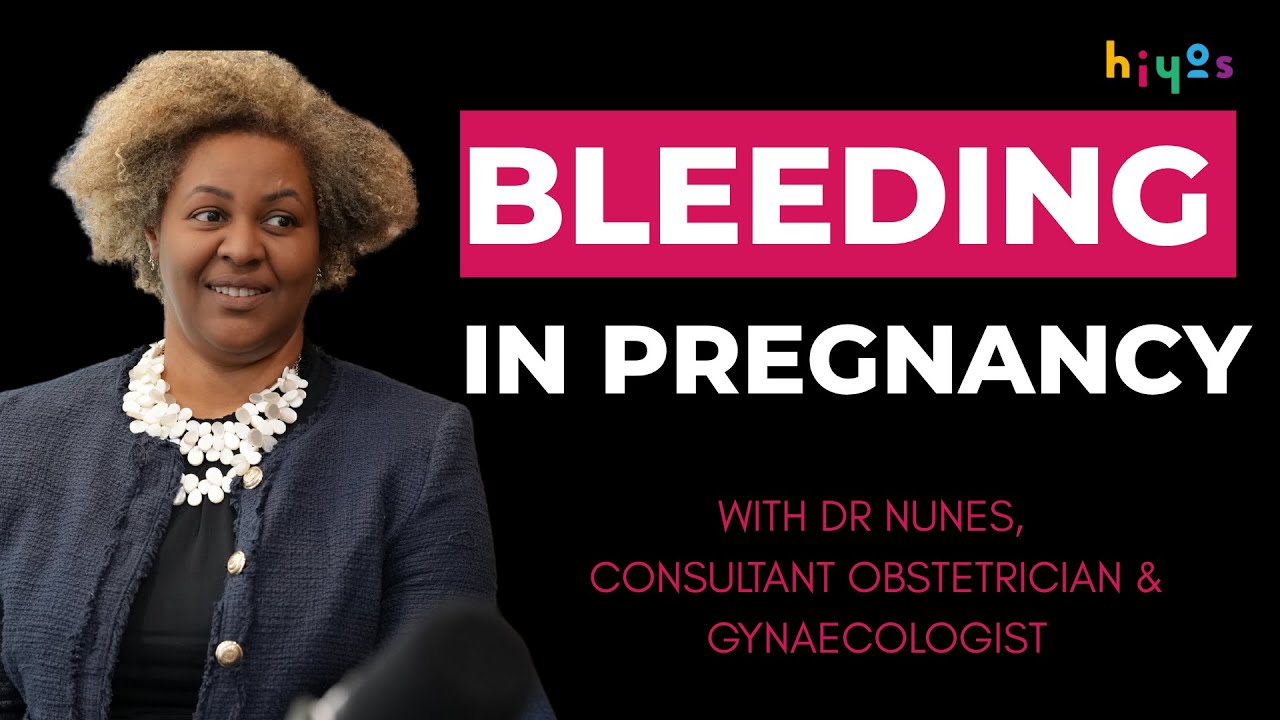
Bleeding in early pregnancy can be worrying — but what does it mean, and when should you seek help? Dr Natalie Nunes, Consultant Gynaecologist, about what every woman should know. Content on other clinical topics and wellbeing can be found here.
Key Takeaways
- Bleeding in early pregnancy can be concerning; it’s crucial to seek medical advice even for light spotting.
- Dr. Natalie leads the Early Pregnancy Unit and emphasises early assessment for signs like bleeding or pain.
- The PRISM study focuses on miscarriage prevention and the role of progesterone in early pregnancy.
- Women experiencing heavy periods or fibroid symptoms should not dismiss excessive bleeding as normal and should seek help.
- HIYOS GP Practice promotes timely and compassionate women’s health care, collaborating with local specialists to ensure comprehensive support.
A day in the life of consultant in womens health
Dr Natalie, Consultant Gynaecologist at Chelsea and Westminster NHS Foundation Trust, based primarily at West Middlesex Hospital. Together, they explore bleeding in pregnancy, what it means, and when to seek medical advice.
She leads the Early Pregnancy Unit at West Middlesex Hospital and runs a one-stop gynaecology ultrasound clinic. Her work spans both sites across the Trust and includes pioneering procedures such as the Sonata treatment — an incision-free, ultrasound-guided radiofrequency ablation for fibroids.
“It’s a fantastic service,” she explains. “There are no cuts, it’s guided by ultrasound, and it offers real relief for women suffering from heavy menstrual bleeding caused by fibroids.”
Her passion for women’s health began early in life — inspired by her mother’s work as a nutritionist and by family members in medicine.
“Even as a child, I knew I wanted to care for women — from early pregnancy to later life.”
Research that’s Changing Lives: The PRISM Study
Dr Natalie has been closely involved in major research into miscarriage prevention, including the landmark PRISM study, which investigated the use of progesterone in early pregnancy.
“The study showed that giving progesterone to women who’ve had previous miscarriages — and who experience bleeding in a new pregnancy — can significantly reduce the risk of miscarriage,” she says.
“It’s completely changed our practice. It’s one of the best examples of how research directly benefits women’s health.”
She emphasises the importance of women participating in clinical research:
“Women often think research won’t help them personally, but it really does. They receive greater care and support, and their involvement improves outcomes for others, too.”
Understanding Bleeding in Early Pregnancy
One of the most important take-home messages from the discussion was clear:
“Bleeding is never normal in pregnancy,” says Dr Natalie.
Even a tiny amount of spotting after a positive pregnancy test should be checked by a clinician. Pain, too, can have several causes — some harmless, others requiring urgent attention.
The first priority is to confirm where the pregnancy is developing.
“We need to make sure it’s in the right place — inside the uterus — and not in the fallopian tube,” she explains. “An ectopic pregnancy can be life-threatening if undiagnosed.”
If you experience any bleeding or pain in early pregnancy (within the first 12 weeks):
- Call your GP or NHS 111 immediately.
In North West London, NHS 111 can book you directly into an Early Pregnancy Unit (EPU) for assessment and ultrasound. - If you feel unwell, dizzy, or have heavy bleeding, go straight to A&E.
These could be signs of an ectopic pregnancy or another emergency. - If you feel well but notice even light spotting, don’t ignore it.
You’ll usually be seen the same day or the next morning for a scan.
“I don’t like the term implantation bleed. Any bleeding needs to be checked. Never ignore it.”
Fibroids and Heavy Periods: When to Seek Help
The conversation also touched on another common women’s health issue: fibroids — benign growths in the uterus that can cause heavy or prolonged periods.
Dr Natalie urges women not to dismiss excessive bleeding as normal:
“It’s not normal to need double protection, to put towels on your bed, or to change clothes during your period. If you’re bleeding for more than seven days or passing clots, speak to your GP.”
Early assessment and treatment can make a big difference.
“The earlier fibroids are identified, the less invasive the treatment options are. Don’t wait until your quality of life is affected.”
If you’re concerned about any of the points mentioned, please reach out to your GP.
Women’s health Podcasts
-

Consultant Obstetricians. Podcast Series
Read more: Consultant Obstetricians. Podcast SeriesHIYOS GP Practice partnered with five consultant obstetricians and gynaecologists from Chelsea & Westminster and West Middlesex Hospitals. We deliver…
-

Pre-Diabetes in Pregnancy: Signs and Prevention
Read more: Pre-Diabetes in Pregnancy: Signs and PreventionDr Vinesh Dhir interviews consultant obstetrician Dr Nadia Sajad about pre-diabetes in pregnancy. They discuss recognising early warning signs, the…
-

Healthy Eating and Exercise Tips for Pregnant Women
Read more: Healthy Eating and Exercise Tips for Pregnant WomenWhat should you eat — and how much should you exercise — when you’re pregnant? Dr Vinesh Dhir from HIYOS…
-

Boost Your Fertility: Evidence-Based Strategies Explained
Read more: Boost Your Fertility: Evidence-Based Strategies ExplainedFertility consultant Kate McLaren joins Dr Talac Mahmud from HIYOS GP Practice to discuss how couples can improve fertility naturally,…
-

Understanding Early Pregnancy Bleeding: Key Insights
Read more: Understanding Early Pregnancy Bleeding: Key InsightsBleeding in early pregnancy can be worrying — but what does it mean, and when should you seek help? Dr…
-

Empowering Women Through Health Education and Outreach
Read more: Empowering Women Through Health Education and OutreachDiscover how HIYOS GP Practice and West Middlesex Hospital are working together to improve women’s health in Hounslow. Learn about…